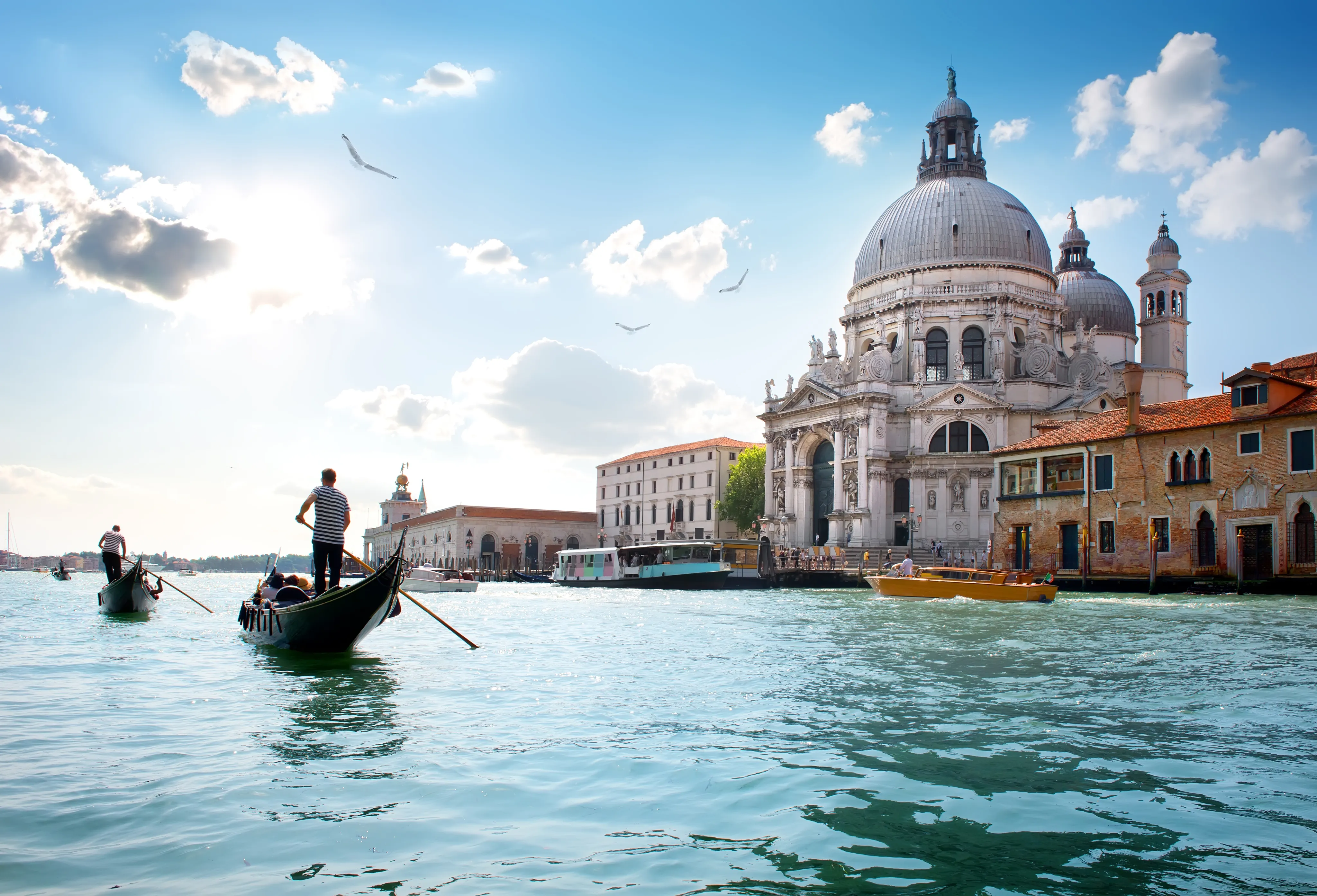
Day Trip from Venice to Verona: How to Make the Most of It
Verona sits about 120 km west of Venice, and the fastest trains cover the distance in just over an hour. That makes it one of the easiest day trips from Venice - enough time to see the city's main landmarks and be back in Venice for dinner.
It's also a very different city from Venice: Roman and medieval, walkable, built on solid ground, with a river running through it instead of canals. But the real reason it's one of the most popular day trips from the lagoon is its own identity - Verona is known worldwide as the city of Romeo and Juliet, and just as famous for the Arena and its opera season.
This guide covers how to get there, what to prioritize once you arrive, a suggested flow for the day, and how to organize everything - whether you plan it yourself or want the logistics handled for you.
Quick Facts
- Distance from Venice: about 120 km (75 miles).
- Travel time by train: roughly 1–2 hours each way, depending on the service.
- Departure point: Venice Santa Lucia railway station.
- Where to buy train tickets: Trenitalia or Italo, online or at the station.
- Best way to go: independently by train, or with a guided day trip that includes your train ticket and a local guide in Verona.
- Best time to visit: spring through early autumn; the Arena's open-air opera season runs June to September.
- What to bring: comfortable walking shoes - Verona's historic centre is compact and best explored on foot.
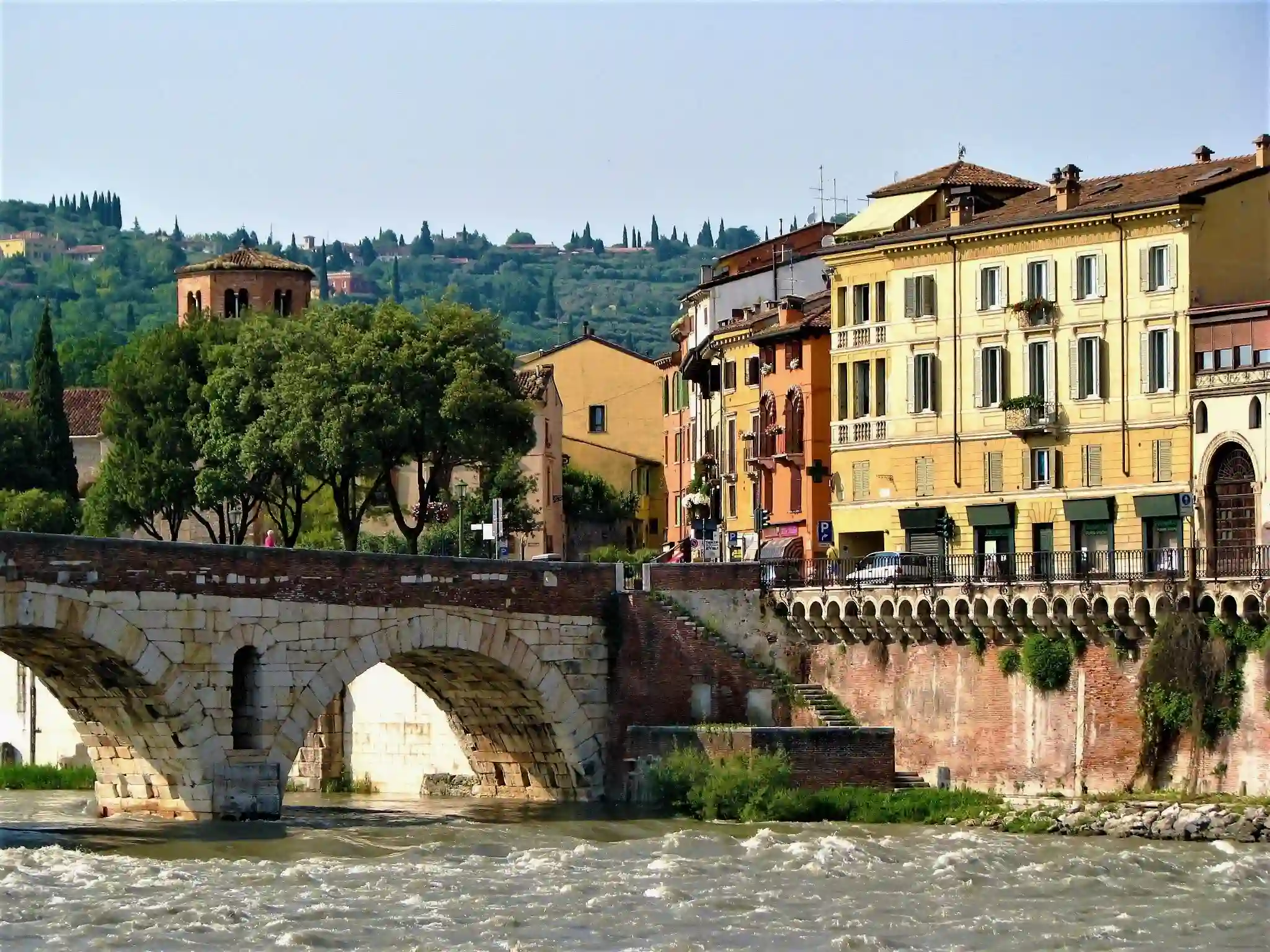
How to Get from Venice to Verona
You have some practical ways to get from Venice to Verona for the day: by car, by train on your own, or with a guided experience that takes care of the train
ticket and adds a local guide once you arrive.
Independent train
Trains leave frequently from Venice Santa Lucia. Regional trains are the cheapest option, at around two hours; high-speed Frecciarossa and Italo services cut that to about 1h10, at a higher fare. Tickets can be bought directly through Trenitalia or Italo - regional fares don't need advance booking, while high-speed fares are usually cheaper the earlier you book.
Verona's main station, Porta Nuova, is about a 20-minute walk from the historic centre (roughly 1.5 km along Corso Porta Nuova), or a short bus or taxi ride. Return trains to Venice run regularly into the evening, so you don't need to plan around a single fixed departure.
Guided day trip
If you'd rather not plan train times or navigate Verona on your own, Venice Incoming's day tour takes care of the logistics: your train ticket is included, and a local guide meets you in Verona for a walking tour of the historic centre. Once the guided portion ends, you're free to explore at your own pace and follow the suggested flow below before making your own way back to the station.
- Verona in 1 Day from Venice - private day tour including your train ticket (Venice Santa Lucia–Verona Porta Nuova) and a guided walking tour of Verona's historic centre, available in English and French. Book it here.
By car
For travelers who want to combine Verona with the surrounding countryside - Valpolicella, for example - driving gives more flexibility. It's about 1h15 via the A4 motorway from Venice's Piazzale Roma.
Verona's historic centre has a restricted traffic zone (ZTL), so plan to park outside and walk in. Attended and unattended car parks are available just outside the ZTL boundary, within walking distance of Piazza Bra and the Arena.
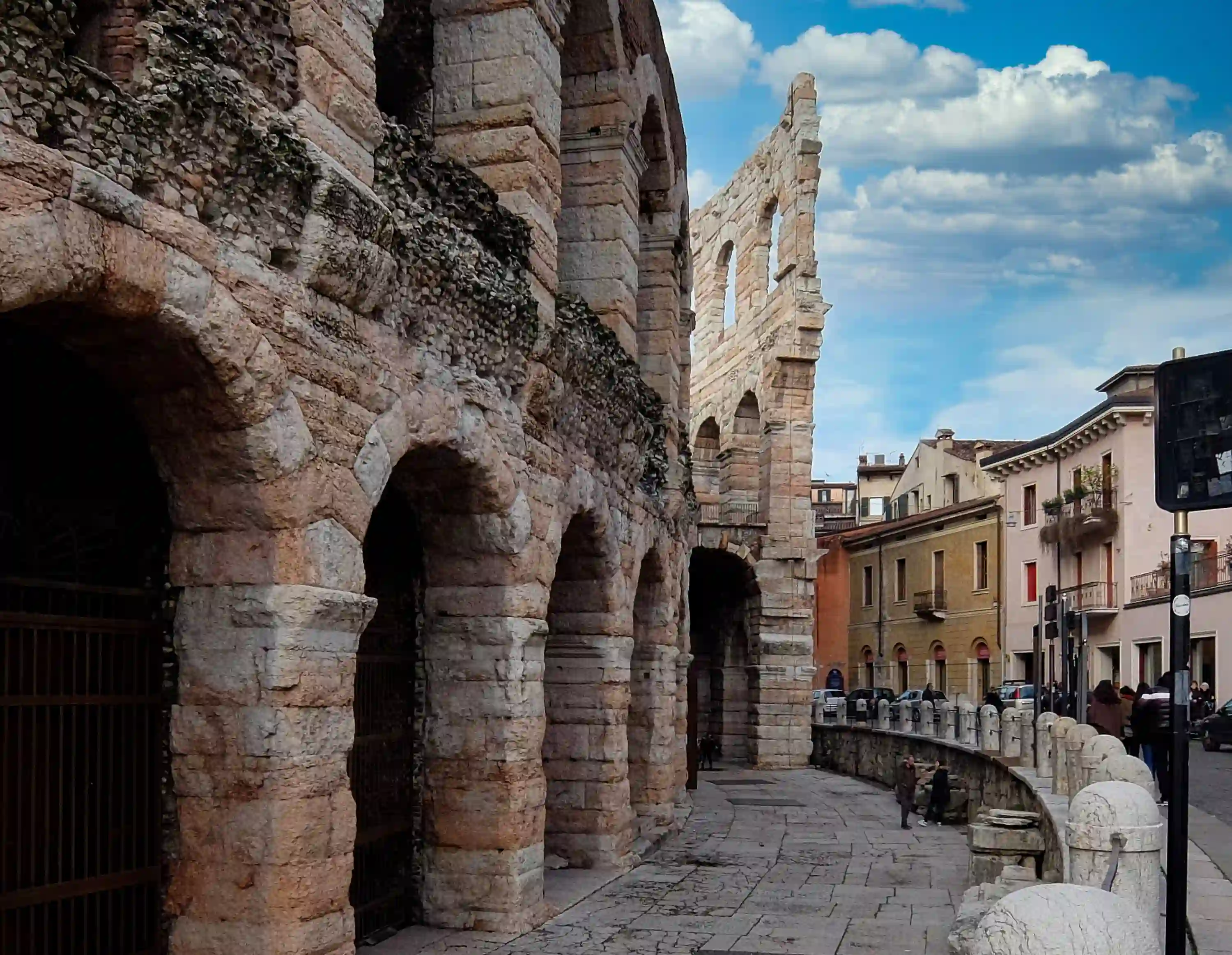
What to See in Verona in a Day
Verona's historic centre is compact enough to cover on foot, with five landmarks worth prioritizing if your time is limited.
- Arena di Verona - one of the best-preserved Roman amphitheatres in the world, built in the 1st century AD. It's still an active venue - locals and visitors fill its stone tiers for open-air opera on summer evenings - and you can walk through the interior during the day when no performance is scheduled. For more on the Arena's opera season, see our guide to A Perfect Day in Verona: History, Fine Wine and the Magic of the Opera.
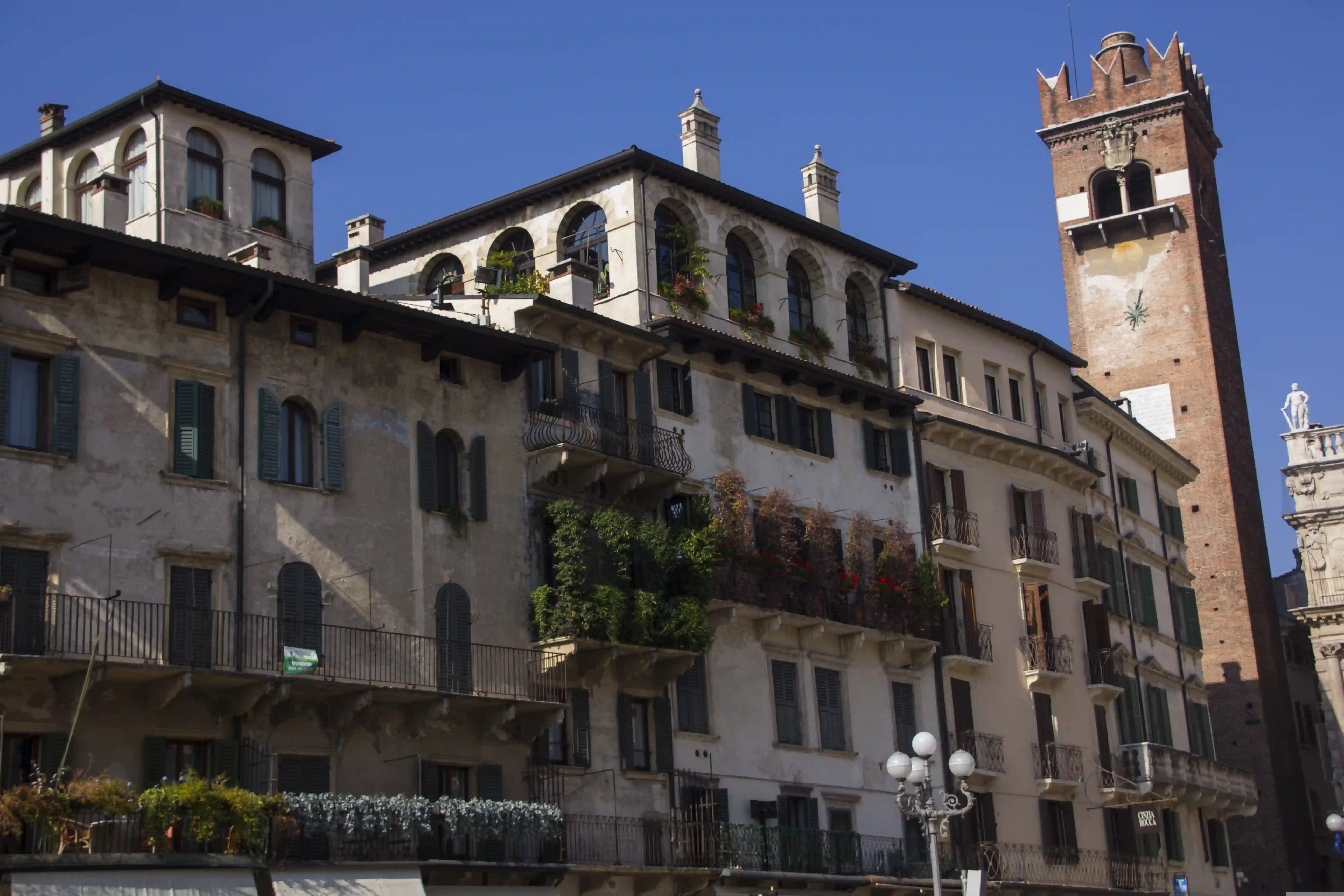
- Piazza delle Erbe - once the city's Roman forum, now an elongated square lined with frescoed facades, market stalls, and café tables. It's a natural place to slow down and break up your walking route.
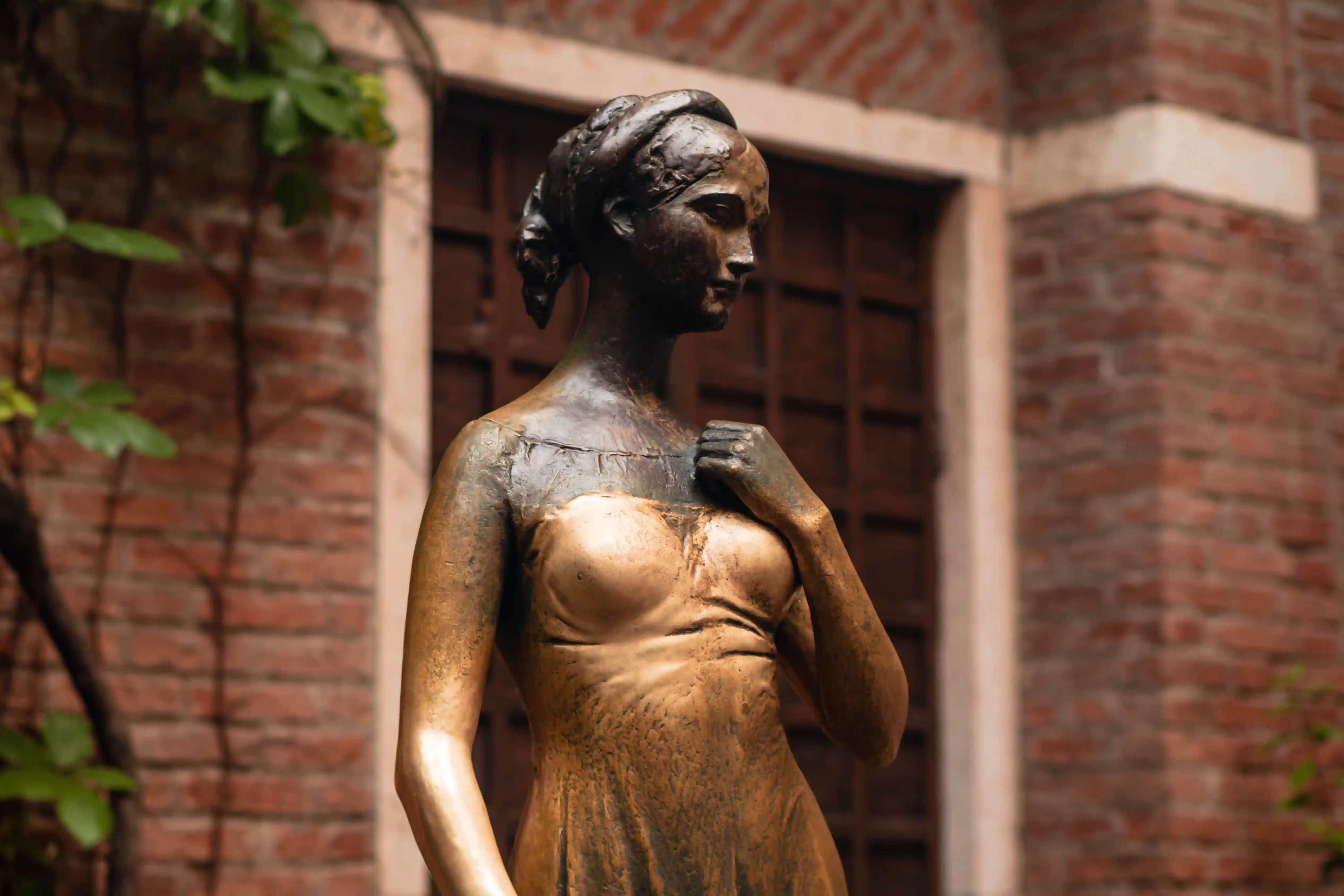
- Casa di Giulietta - the courtyard associated with the story of Romeo and Juliet, best known for its balcony and bronze statue. As of 2026, entry to the courtyard is paid (€5, or €12 for the full house visit) and requires advance online booking; queues are still common at peak times. For most visitors it's a quick stop rather than a lengthy visit - worth seeing on the way between other sights.
- Castelvecchio and Ponte Scaligero - a red-brick medieval fortress built by the Della Scala family, connected to a fortified bridge over the Adige River. The castle also houses an art museum if you want to go beyond the exterior.
- Piazza Bra - Verona's main square, facing the Arena and lined with cafés - a good spot for a coffee or aperitivo before heading back toward the station.
A Suggested Flow for the Day
With one day in Verona, the historic centre is small enough to cover without rushing if you follow a rough west-to-east flow from the station.
- Morning: arrive at Porta Nuova and head into the centre, starting at Piazza Bra and the Arena before the midday crowds and heat build up.
- Midday: Piazza delle Erbe and the surrounding lanes make a natural lunch stop — look for a trattoria or wine bar just off the square.
- Afternoon: Casa di Giulietta, then Castelvecchio and Ponte Scaligero, finishing with a walk along the Adige riverfront.
- Early evening: make your way back toward Porta Nuova in time for your return train to Venice.
Add a Wine Tasting in Valpolicella
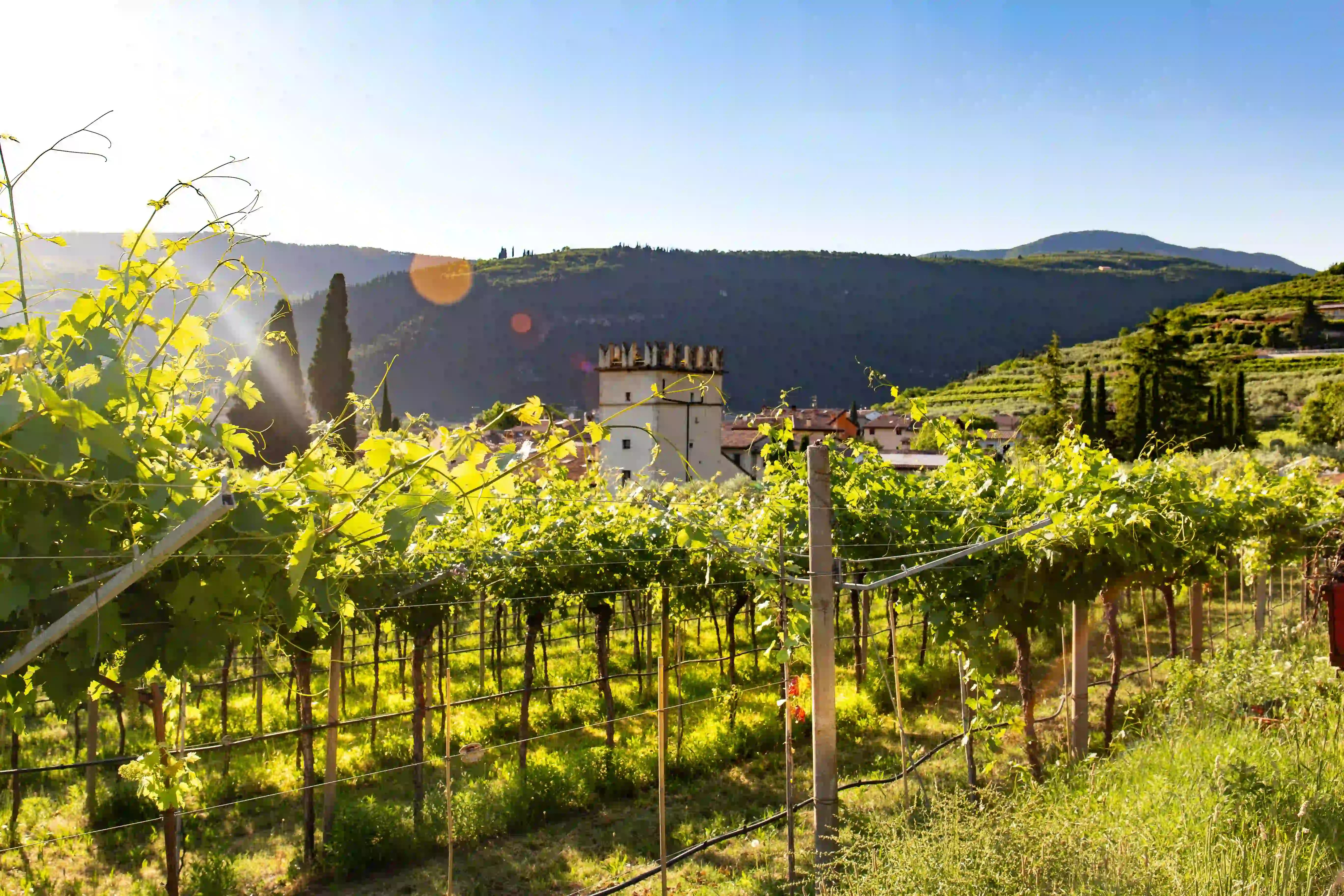
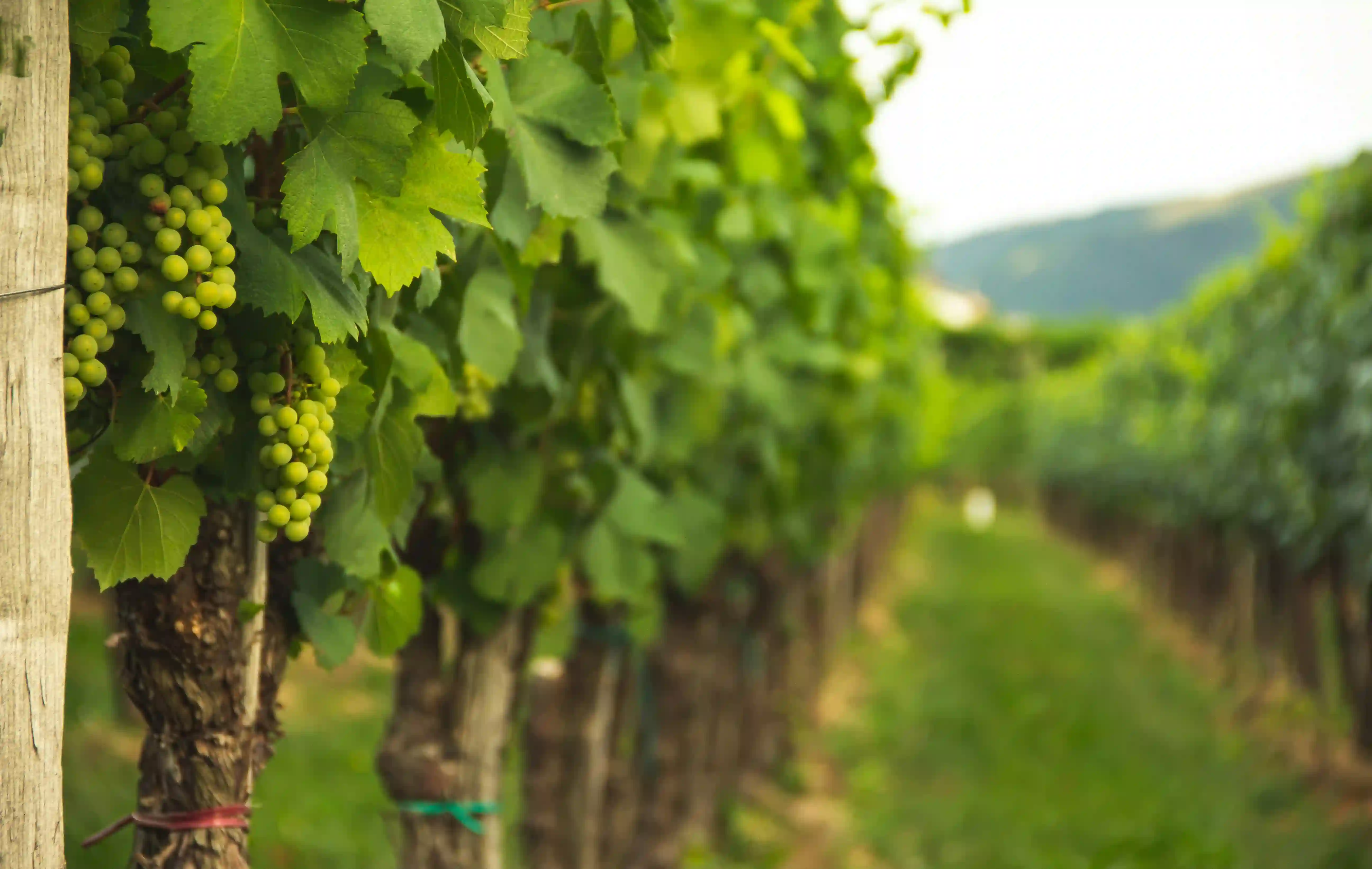
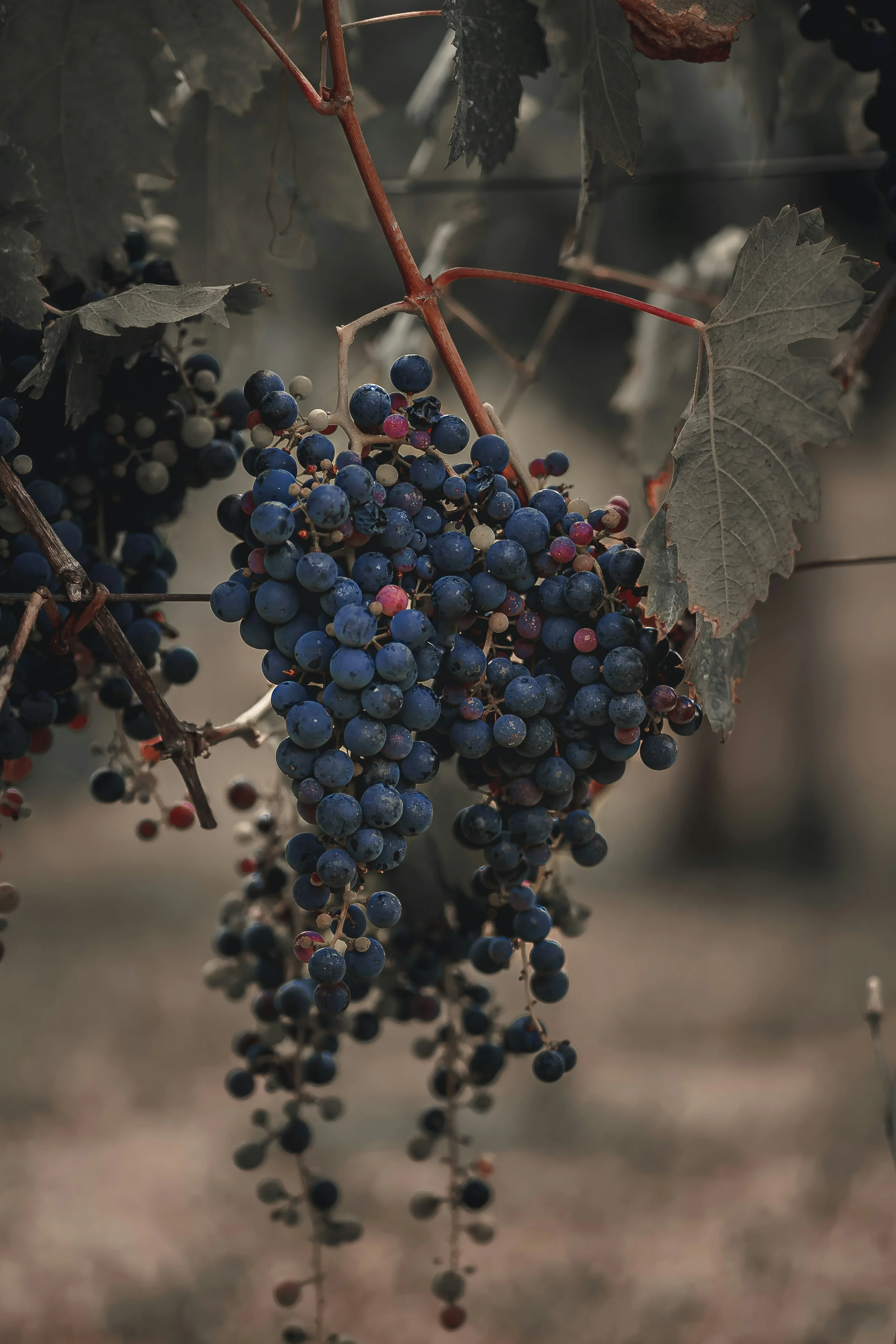
The Valpolicella hills, just outside Verona, are worth the detour — this is where Amarone and Ripasso wines are made. It's hard to reach without a car, but we can arrange the transport for you.
- Discover the Valpolicella Wine Region - a full day in the countryside with tastings at local wineries, a good option if you'd rather build your Verona-area day around wine than city sightseeing. Explore this tour.
Practical Tips for Your Day in Verona
- Traveling by car? Verona's centre has a ZTL (limited traffic zone) - park outside and walk in.
- Pack light. You won't need anything beyond a day bag; leave the rest of your luggage in Venice.
- Check opening hours in advance. The Arena, Casa di Giulietta, and Castelvecchio close on some days and reduce hours outside peak season.
- Weekdays are quieter. Piazza delle Erbe and Casa di Giulietta get busy on weekends and around opera nights.
- Book high-speed train tickets ahead. Regional trains are flexible and don't need advance booking, but Frecciarossa and Italo fares tend to rise the closer you get to travel.
- Use the station's left-luggage service. If you're arriving in Venice the same day or heading onward afterward, Venice Santa Lucia has left-luggage facilities so you're not carrying bags around Verona.
Frequently Asked Questions
How far is Verona from Venice?
Verona is about 120 km (75 miles) from Venice.
How long does it take to get from Venice to Verona?
By train, journey times range from around 1 hour on high-speed services to just under 2 hours on regional trains. By car, it's about 1h15 via the A4 motorway.
What is the best way to get from Venice to Verona for a day trip?
Independent train travel works well if you're comfortable planning your own schedule. If you'd rather not deal with tickets and timing, our Verona in 1 Day from Venice tour includes the train and a local guide. For a fully custom day - including Valpolicella or Lake Garda - get in touch about a tailor-made itinerary.
Is Verona worth a day trip from Venice?
Yes. The Roman Arena, the medieval centre, and the setting on the Adige River - together with Verona's fame as the city of Romeo and Juliet - make it worth the day on its own. The whole city is walkable, with no need for a car or complex planning.
Can I visit Verona and Lake Garda in the same day from Venice?
It's possible by car, but tight - Lake Garda adds significant driving time on top of Verona itself, and you'll end up seeing less of both. Most travelers get more out of focusing on one or the other; a private guide can help build a realistic itinerary if you specifically want to combine them.
When is the best time of year to visit Verona?
Spring and early autumn offer mild weather and fewer crowds. If opera is part of the plan, the Arena's open-air season runs from June to September.
Plan Your Next Italian Adventure with a Trusted Local Partner
Wherever Italy calls you – through Venice's quiet canals, the vineyards of the Veneto, or the country's wider cultural landscapes – travel becomes richer with someone local by your side. With over 20 years of experience crafting journeys for travelers, groups, and global partners, Venice Incoming creates experiences that are seamless, authentic, and shaped by true on-the-ground insight.
Start planning your journey with our most useful resources:
- Multi-Day Travel Packages
- Tailor-Made Itineraries
- Daily Tours & Activities in Venice and Veneto
- Private Transfers Services
- B2B & Group Travel Support
Wherever you choose to go next, we're here to help you experience Italy with confidence and local expertise.