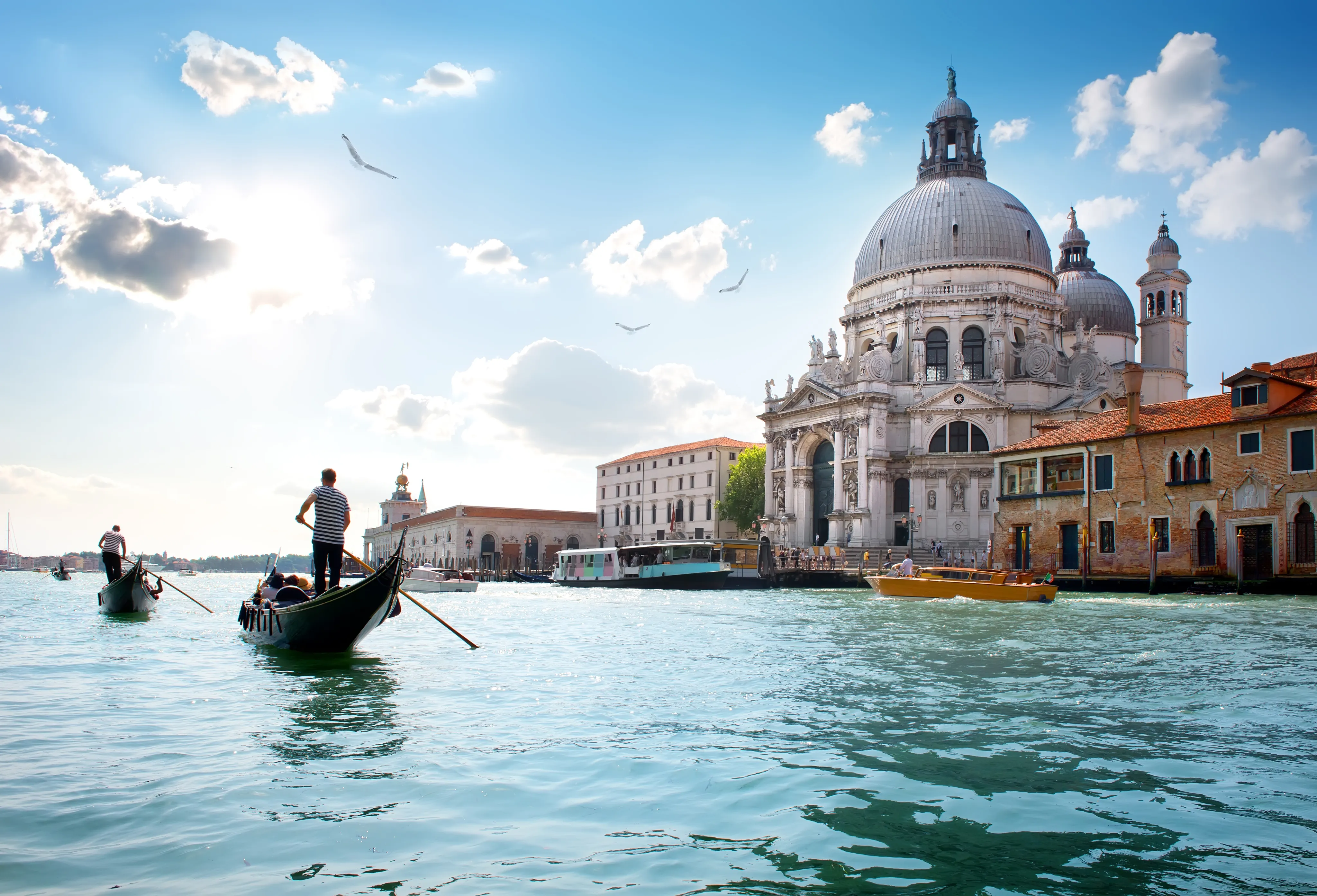
The 61st International Art Exhibition of La Biennale di Venezia opened on Saturday 9 May 2026 and runs until Sunday 22 November 2026. The Giardini and the Arsenale will draw most of the press attention, as they always do. But this year, as in every edition, the real Biennale unfolds across the city: in churches converted into installation spaces, in private palazzi opened only for the exhibition months, in former wood warehouses and old salt magazines. There are 31 official collateral events spread across Venice's six sestieri, plus 46 national pavilions hosted outside the historic grounds. For travellers willing to walk a little further, the Biennale becomes a six-month-long architectural treasure hunt.
This is our local guide to experiencing the Venice Biennale 2026 the way Venetians experience it - beyond the obvious circuit, into the venues most visitors miss, and across the quieter rhythms of a city temporarily transformed into a contemporary art capital.
Quick Facts: Venice Biennale 2026
- Official title: 61st International Art Exhibition of La Biennale di Venezia
- Theme: In Minor Keys, conceived by curator Koyo Kouoh
- Vernissage (preview days): 6, 7, 8 May 2026
- Public opening: Saturday 9 May 2026
- Closing: Sunday 22 November 2026
- Main venues: Giardini (29 historic pavilions) and Arsenale (25 pavilions), plus 46 national participations and 31 collateral events distributed across the city
- First-time participating countries: Republic of Guinea, Equatorial Guinea, Nauru, Qatar, Sierra Leone, Somalia, Vietnam (and El Salvador with its own pavilion)
- Best time to visit: May–June for vernissage atmosphere; September–October for quieter halls and clearer light
In Minor Keys: What the 2026 Biennale Is Really About
In Minor Keys is the title and curatorial vision of Koyo Kouoh, the Senegalese-Cameroonian curator who conceived this edition before her passing in May 2025. La Biennale di Venezia decided, with the full support of her family, to carry out the exhibition exactly as she had designed it. The curatorial team she selected - Gabe Beckhurst Feijoo, Marie Hélène Pereira, Rasha Salti, Siddhartha Mitter, and Rory Tsapayi - has brought her project to the public.
The title borrows from music. Minor keys, in jazz especially, hold space for voices that don't dominate - sorrow, complexity, restraint, the harmonics underneath the louder line. Kouoh applied this idea to contemporary art: an invitation to attend to what is normally overlooked, to non-Western perspectives, to silent presences and post-colonial inheritances. The central exhibition, spread between Giardini and Arsenale, brings together 111 participating artists exploring spirituality, hope, science, technology, and the question of how to live on a damaged planet.
The Italian Pavilion is curated this year by Cecilia Canziani. Across the city's collateral events, this curatorial frame echoes in different registers - questions of memory, diaspora, ecological precarity, and cultural identity surface again and again, in venues as varied as a fifteenth-century palazzo and a converted church on Giudecca.
Collateral Events Across Venice's Sestieri
Below is a working map of where the 2026 Biennale spreads in the city, organised by sestiere. These are official collateral events approved by La Biennale di Venezia, all running concurrently with the main exhibition, unless noted otherwise. Use this section as a planning tool - pick a sestiere per day rather than chasing single venues across the city.
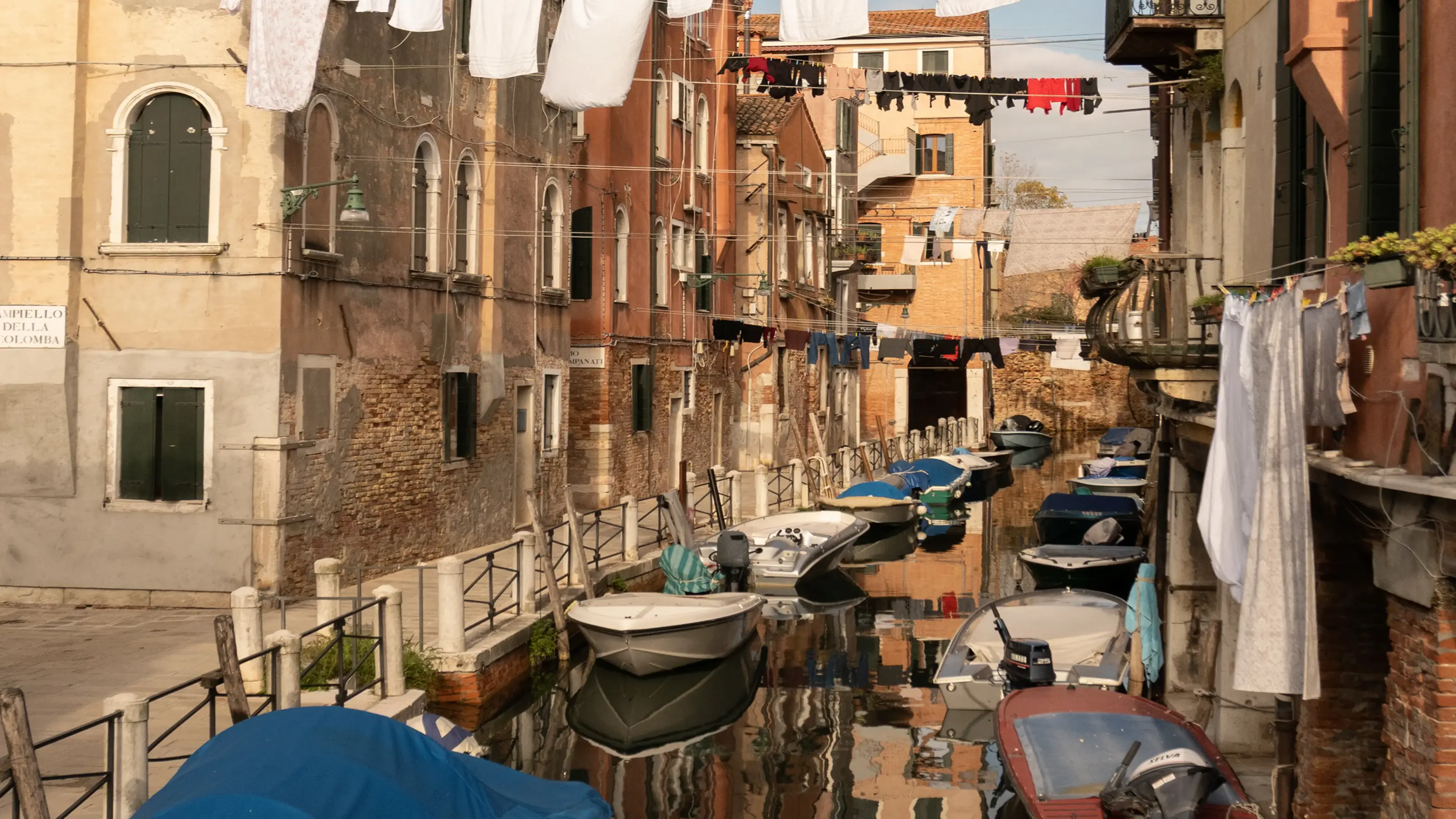
Sestiere Castello - the densest concentration of off-sites
Castello hosts more collateral events than any other sestiere this edition. It's the natural extension of the Arsenale and rewards visitors who keep walking east.
- Wales in Venice - Sownd: Manon Awst and Dylan Huw, also at Istituto Santa Maria della Pietà, Calle della Pietà, Castello 3703. Arts Council of Wales. 9 May – 22 November.
- Taiwan Pavilion - Screen Melancholy: Li Yi-Fan, at Palazzo delle Prigioni, Castello 4209. Presented by the Taipei Fine Arts Museum. 9 May – 22 November.
- Scotland + Venice - Bugarin + Castle, Olivolo, Castello 59/C. 9 May – 22 November.
- ERES Foundation - Shifting Waters, at Ca' Sarasina, Castello 1228. 9 May – 1 November.
- Fermata: Hong Kong in Venice - Hong Kong Arts Development Council and Hong Kong Museum of Art, at Campo della Tana, Castello 2126. 9 May – 22 November.
- Catalonia in Venice - Claudia Pagès Rabal: Paper Tears, at Docks Cantieri Cucchini, Castello 40/A. Institut Ramon Llull. 9 May - 22 November.
- The Foundation of ART NYC - Song E Yoon: Songs Across Time, at Spazio 996/A, Fondamenta Sant'Anna, Castello 996/A. 9 May – 22 November.
- Consolato REM Brega - Baile, Botella y Baraja (José Ruíz, Puerto Rico), at REM Project, Castello 1735.
Sestiere Dorsoduro - palazzi on the Grand Canal
Dorsoduro is the sestiere of museums and contemporary foundations, but during the Biennale it picks up several major collateral events in private palazzi normally closed to visitors.
- Bangkok Art Biennale Foundation - The Spirits of Maritime Crossing 2026, at Palazzo Rocca Contarini Corfù, Dorsoduro 1057/D. 9 May – 2 August.
- Victor Pinchuk Foundation - Still Joy – from Ukraine into the World, at Palazzo Contarini-Polignac, Dorsoduro 874. 9 May – 1 August.
- VCUarts Qatar - Aghrab Idrāk: Thresholds of Perception, at Palazzo Cavanis, Fondamenta Zattere ai Gesuati, Dorsoduro 920. 9 May – 22 November.
- Nalini Malani – Of Woman Born - Kiran Nadar Museum of Art, at Magazzini del Sale n. 5, Fondamenta Zattere ai Saloni, Dorsoduro 262. 9 May – 22 November.
Sestiere Cannaregio - the most residential Venice
Cannaregio rewards visitors who treat the Biennale as an excuse to walk. The sestiere stretches across the northern edge of the city and hosts several of the most architecturally striking off-site venues.
- LACMA & Su Xiaobai Foundation - Su Xiaobai's Alchemical Universe, at Palazzo Soranzo Van Axel, Cannaregio 6099. 9 May – 22 November.
- Palestine Museum US - at Palazzo Mora, Strada Nova, Cannaregio 3659. 9 May – 22 November.
- Fissures of Light / Diaspora: dissonances in Fa minor - Association Tissali Arts & Cultures, at Palazzo Donà dalle Rose, Cannaregio 5038. 9 May – 22 November.
Sestiere San Marco and beyond - unexpected venues in the tourist core
The San Marco area, often dismissed as the most touristic stretch of Venice, hosts some of the edition's most prestigious collateral events - in venues normally inaccessible to the public.
- Parasol Unit Foundation - TURANDOT: To the Daughters of the East, at Palazzo Franchetti, San Marco 2847. 9 May – 31 October.
- Centre for Contemporary Art Tashkent - Vyacheslav Akhunov: Instruments of the Mind, also at Palazzo Franchetti, San Marco 2847. 9 May – 22 November.
- Starak Family Foundation - Tadeusz Kantor (1915–1990): Emballage, Cricotage and Madame Jarema, at Procuratie Vecchie, Piazza San Marco. 9 May - 22 November. The first Kantor exhibition at the Biennale Arte since 1960.
- Fondazione Bvlgari - Lara Favaretto, Momentary Monument – The Library / Monia Ben Hamouda, Fragments of Fire Worship, at Biblioteca Nazionale Marciana, Piazza San Marco 13A. 9 May – 22 November.
- Hybrids. Leandro Erlich - Associazione Arte Continua, at Negozio Olivetti, Piazza San Marco 101. 9 May – 22 November.
Island of Giudecca - the island most visitors miss
Giudecca is a vaporetto ride away from the main grounds and holds one of the edition's most atmospheric venues. A half-day on the island, framed by a slow ride across the canal, is one of the underrated experiences of any Biennale.
- One Ocean Foundation - As Above, So Below, at Fabbrica H3, Ex Chiesa dei Santi Cosma e Damiano, Giudecca 624. 9 May – 8 June.
Venues You Won't Find Without a Local
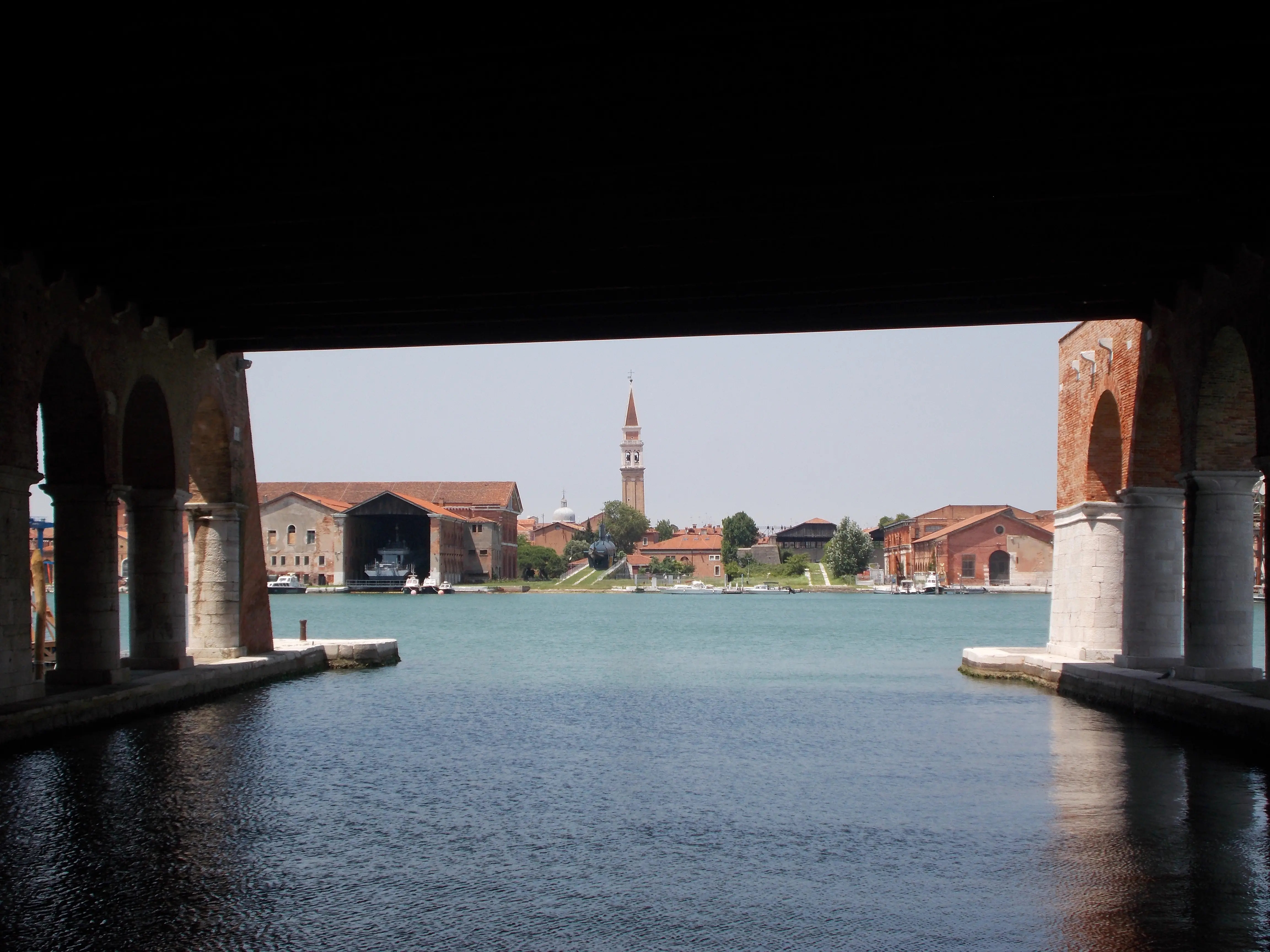
The map above tells you where to go. What it doesn't tell you is what these places actually feel like, or how to find the side door, or which palazzi in Castello open only during exhibition months and shut for the rest of the year. Several of the venues hosting collateral events - Palazzo Cavanis, Palazzo Soranzo Van Axel, Palazzo Rocca Contarini Corfù - are private buildings or institutional spaces that are otherwise closed to general visitors. The Biennale is, in a quiet way, also the season Venice opens its doors.
Visiting these venues with a local guide completely changes the experience. Castello, in particular, is a sestiere with a layered residential life that isn't easily understood by those just passing through. Castello, in particular, is the sestiere where the Biennale has its historical roots - the Arsenale and the Giardini are both located here.
Recommended tour to discover the sestiere of Castello: Secret Venice - Private guided tour of Castello, including Palazzo Grimani, Santa Maria Formosa, and the Acqua Alta bookstore.
For visitors who want to cover collateral events across multiple sestieri with curatorial context, a private walking tour with a qualified guide is the most efficient way to navigate the off-site programme.
Recommended tour: Request a private Venice Walking Tour to enjoy the Biennale alongside expert guides.
How to Plan Your Biennale Days
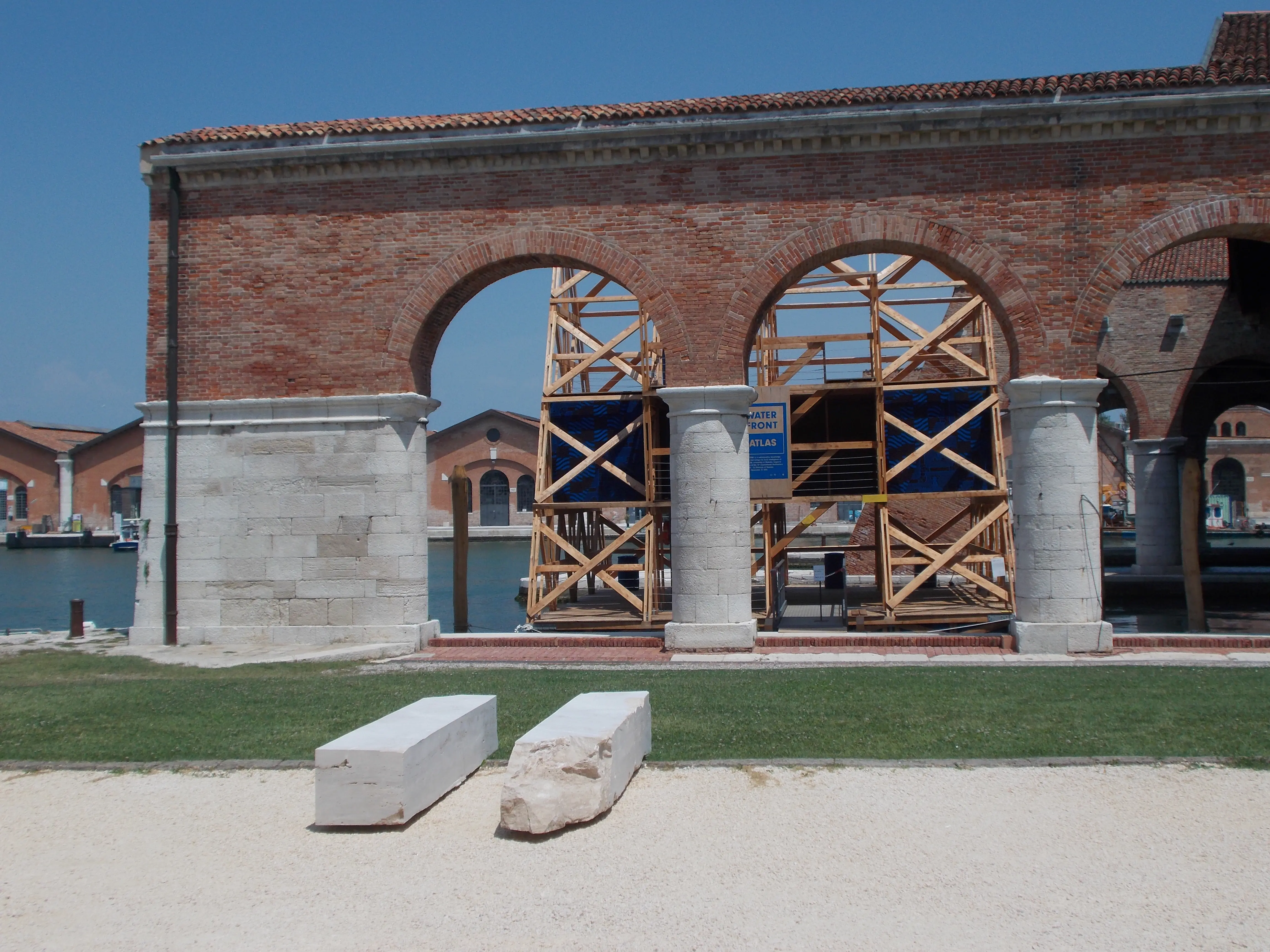
Two days is the working minimum to see the Biennale honestly. Day one covers the Giardini and Arsenale - start at the Giardini for the national pavilions, walk to the Arsenale for the central exhibition and remaining pavilions, factor in at least six hours of walking and looking. Day two is for collateral events, and the most efficient way to plan it is by sestiere: pick Castello if you want density, Dorsoduro if you want palazzi on the canal, Giudecca if you want a slower rhythm with a vaporetto ride built in.
Vaporetto passes are the practical answer for transportation. A multi-day ACTV pass pays for itself by the second use and covers all the sestieri plus Giudecca, Murano, and Burano if you want to extend. Walking remains the dominant mode in central Venice - distances look short on a map but become longer in practice.
For travellers who want a programme built around their interests - architectural focus, contemporary art deep-dive, or a mix of Biennale and lagoon experiences - a tailor-made itinerary is the cleanest way to handle logistics. We design private programmes with our team of local guides, vaporetto and water-taxi support, and venue access where applicable.
Service: Tailor-Made Itineraries Private Biennale itineraries designed around your interests, dates, and group size. Request your itinerary →
Frequently Asked Questions
Are there guided tours of the Venice Biennale off-sites? Yes. Venice Incoming runs private walking tours that can be adapted to cover collateral events across specific sestieri. Our Castello-focused itinerary, La Venezia Segreta, includes the residential context around the densest cluster of off-site venues. A general private walking tour with a qualified guide is also available in five languages and can be tailored to follow the Biennale circuit you're most interested in.
What are the official dates of the Venice Biennale 2026? The 61st International Art Exhibition runs from Saturday 9 May 2026 to Sunday 22 November 2026. Vernissage (preview days) are 6, 7, and 8 May 2026. Some collateral events run for the full six-month period; others close earlier — Still Joy (Pinchuk Foundation) and The Spirits of Maritime Crossing 2026 (Bangkok Art Biennale Foundation), for example, both close on 1 or 2 August.
What is the theme of the 2026 Venice Biennale? In Minor Keys, conceived by Koyo Kouoh. The title is a musical metaphor - borrowed especially from jazz - for attending to overlooked voices, post-colonial inheritances, and quieter registers in contemporary art. The exhibition is being delivered by the curatorial team Kouoh selected, with the support of her family, following her passing in May 2025.
What are the collateral events and where do I find them? 31 official collateral events have been approved by La Biennale di Venezia for the 2026 edition, distributed across all six sestieri plus Giudecca. Castello hosts the densest cluster; Dorsoduro features several major exhibitions in private palazzi; Cannaregio, San Marco, and Giudecca each host significant venues. The official list and venue addresses are published on labiennale.org. Our sestiere-by-sestiere map above pulls the essentials.
Can I book a private or VIP visit to the Biennale? Yes. For travellers who want curated routing, and on-the-ground support across multiple venues, Venice Incoming designs private Biennale programmes with local guides, water transport, and integrated logistics. Request a tailor-made itinerary and our team will build a programme around your dates and interests.
How do I get around Venice during the Biennale? Vaporetto (water bus) is the backbone of transport in Venice. ACTV sells 24-hour, 48-hour, and 72-hour passes that cover the full network including Giudecca, Murano, and Burano. Water taxis are faster and more flexible for groups but significantly more expensive. Most movement between sestieri in the historic centre is on foot — Venice rewards walkers.
Is it worth going beyond the Giardini and Arsenale? For most visitors, yes. The Giardini and Arsenale hold the central exhibition and the major national pavilions, but they represent roughly half the Biennale by volume. Forty-six national pavilions and thirty-one collateral events are distributed across the city, often in venues - private palazzi, former churches, historical foundations - that are otherwise closed to the public. The off-site programme is where the Biennale becomes a way of seeing Venice itself.
Plan Your Next Italian Adventure with a Trusted Local Partner
Wherever Italy calls you - through Venice's quiet canals, the vineyards of the Veneto, or the country's wider cultural landscapes - travel becomes richer with someone local by your side. With over 20 years of experience crafting journeys for travelers, groups, and global partners, Venice Incoming creates experiences that are seamless, authentic, and shaped by true on-the-ground insight.
Start planning your journey with our most useful resources:
- Multi-Day Travel Packages
- Tailor-Made Itineraries
- Daily Tours & Activities in Venice and Veneto
- Private Transfers Services
- B2B & Group Travel Support
Wherever you choose to go next, we're here to help you experience Italy with confidence and local expertise.